
15 Shampoo Alternatives for Natural Hair Care
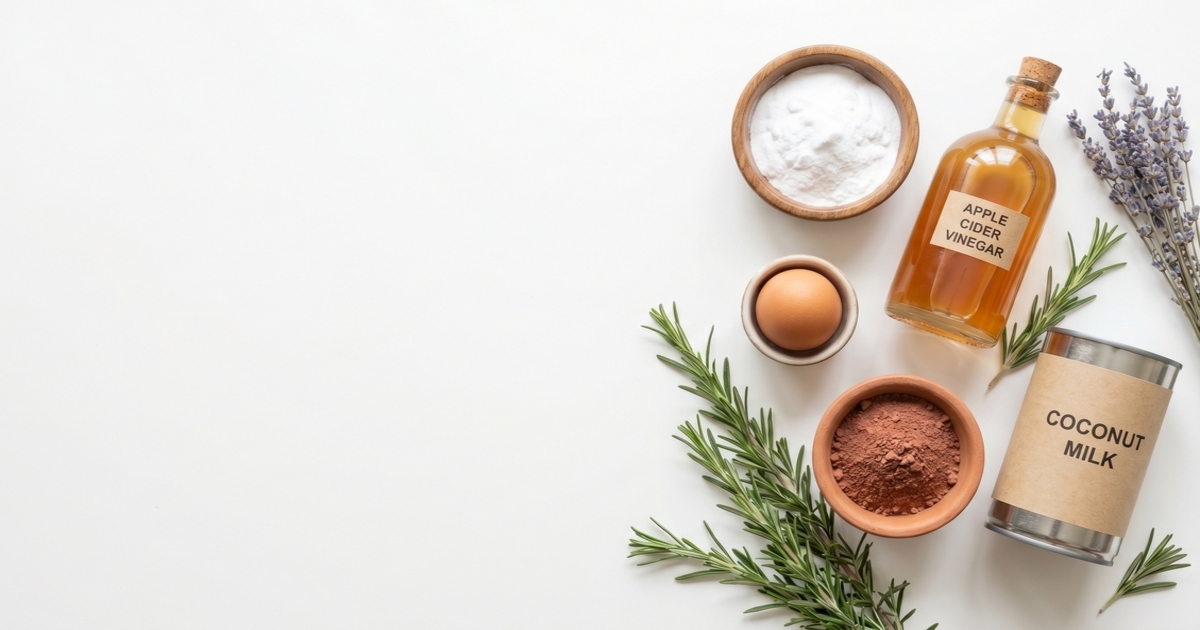
Greasy hair, hair loss, flat curls, zero volume – I was not willing to accept any of it as permanent. So I spent nearly two years testing every shampoo alternative I could find. Here is what actually worked.
My first experiments with “no poo” (washing hair without commercial shampoo) were, frankly, a disaster. I tried one method, hated it, tried another, gave up, came back three months later with a new plan. Rinse and repeat – literally.
But after about two years of stubborn experimentation, I landed on a routine that works. No more hair loss. I wash my hair maybe once a week. My natural curls are back. Volume and bounce are no longer foreign concepts.
In the first post of this series, I shared 10 things I wish I had known before starting natural hair care. Here, I am laying out every single method I tried – the hits, the misses, and the “your mileage may vary” options – so you can find what works for your hair without wasting two years.
A few ground rules before we start
Experimentation is non-negotiable. My favorite method might be your worst nightmare, and my biggest flop might be your holy grail. Hair type, water hardness, and scalp condition all matter.
Brushing is key for many methods – but if you have natural curls, brushing dry hair is a hard no. I am a low-maintenance person and I managed without constant brushing, so do not let that scare you off.
Most methods need an acidic rinse afterward. The goal is to bring your hair’s pH back into balance after using alkaline cleansers. I will note where a rinse is essential vs. optional.
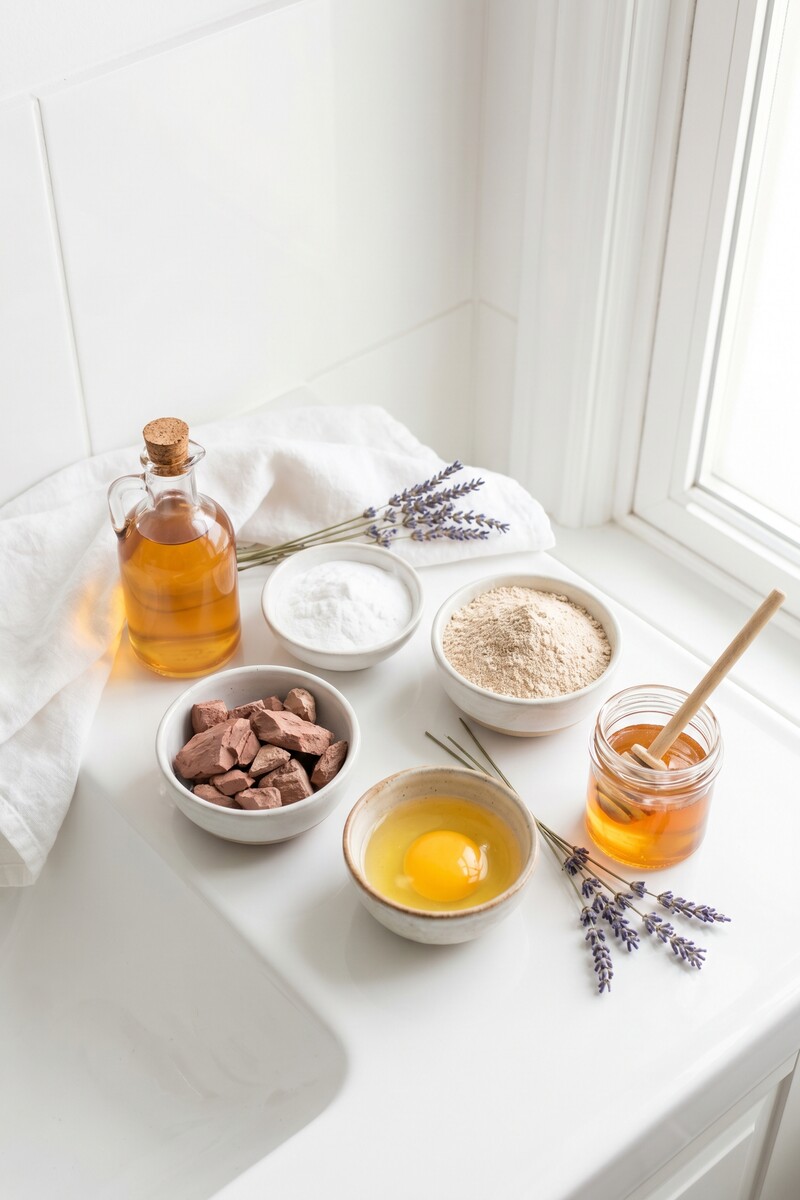
#1 Water-only method
This is exactly what it sounds like: scrubbing your scalp with water and friction, no products at all. It removes dust and dead skin, but it will not dissolve oil – oil is not water-soluble.
Most people find they need an acidic rinse (like diluted apple cider vinegar) to manage the oil buildup. I did not try this for long because my hair is naturally very greasy, but if you have low-maintenance or dry hair, it might be worth a shot.
#2 Baking soda and apple cider vinegar
The classic no-poo combo. It is everywhere online, and it works for some people – but it was a total failure for me.
What you need:
- 2 tablespoons baking soda
- 2 tablespoons water
- 1-2 tablespoons apple cider vinegar
- 1 cup (250 ml) water for the rinse
How to do it:
Mix baking soda and water into a paste. Massage into damp roots, then rinse thoroughly. Follow with the vinegar diluted in water, poured over your hair and left in – do not rinse it out.
My experience: The extreme pH swing (baking soda is very alkaline, vinegar is acidic) left my wavy hair brittle and unhappy over time. Some people swear by it for getting through the “transition phase,” but I would approach with caution.
#3 Egg wash
This was my biggest surprise. Egg as a shampoo replacement sounds ridiculous – until you try it.
What you need:
- 1-2 eggs (depending on hair length)
- Optional: 3 drops of hair-friendly essential oil like lavender or rosemary
How to do it:
Whisk the egg(s) with the oil. Apply to damp hair, massage into the scalp, and work through the lengths. Leave on for 5 minutes, then rinse with lukewarm water only – hot water will cook the egg into scrambled eggs in your hair.
My experience: My hair felt clean, soft, and surprisingly shiny. Because it is protein-rich, limit this to once or twice a month or your hair can get stiff.
#4 Rye flour wash
Rye flour contains mild, soap-like compounds and a pH close to that of hair. The catch? It is a pain to rinse out.
What you need:
- 2 tablespoons whole-grain rye flour
- A fine sieve
- Water
How to do it:
Sift the flour to remove coarse bits, then mix with enough water to form a smooth paste. Massage into damp roots, then rinse very, very thoroughly. Seriously – take your time rinsing.
My experience: My hair felt great afterward, but the rinsing process tested my patience. If you have dark hair, check carefully for residue once dry.
#5 Rhassoul clay (lava earth)
Rhassoul (or ghassoul) is a mineral clay mined in Morocco. It cleans without stripping and has a lovely, silky texture.
What you need:
- 2-3 tablespoons rhassoul clay
- 4-5 tablespoons water
- Optional: 3-5 drops essential oil
How to do it:
Mix clay and water into a smooth, mud-like paste – slightly runny is better than too thick, since it will thicken as it sits. Apply to damp hair and scalp, leave for 5 minutes, then rinse thoroughly.
My experience: This was one of my favorites for months. My hair had more volume and less oil. The downside? It makes a mess in the shower. Dried clay spots have a way of appearing on your bathroom mirror days later. Still worth it.
Tip: Mix a double batch. Thanks to rhassoul’s antimicrobial properties, the paste stays good in a sealed container in the shower for 2-3 washes.
#6 Apple and oatmeal mask
This one is more of a deep treatment than a daily wash, but it is excellent for resetting your scalp during the transition phase.
What you need:
- 3 tablespoons unsweetened applesauce
- 1 tablespoon oat flour or finely ground oats
- 1 tablespoon liquid honey
- 2 teaspoons apple cider vinegar
- 3 drops essential oil
How to do it:
Mix everything together. Massage into damp hair, cover with a shower cap, and leave on for 20-60 minutes. Rinse thoroughly.
My experience: The texture and smell are… not glamorous. But my scalp felt genuinely refreshed afterward, and my hair was soft for days. A good weekend self-care ritual if you have the time.
#7 DIY coconut milk shampoo
This crosses into “low poo” territory because it uses liquid castile soap, but it is still miles gentler than commercial shampoo.
What you need:
- 2 tablespoons coconut milk
- 2 tablespoons liquid castile soap
- 10 drops essential oil
How to do it:
Mix everything in an old shampoo bottle. Use a small amount – it is concentrated. Follow with an acidic rinse.
My experience: My hair turned stringy and limp. But many people love this, so it is worth a small test batch. If your scalp is sensitive, dilute with 1 cup of water.
#8 DIY honey shampoo
A variation on #7, swapping coconut milk for honey.
What you need:
- 2 tablespoons liquid castile soap
- 2 tablespoons liquid honey
- 10 drops essential oil
How to do it:
Same as above. The honey helps lower the pH slightly, so you might get away with a lighter rinse.
My experience: Better than the coconut version for my hair, but still not a long-term winner. Your results may vary.
#9 DIY coffee shampoo
Caffeine is supposed to stimulate hair roots and reduce shedding. Does it? I am not sure – but it smells amazing.
What you need:
- 2 tablespoons liquid castile soap
- 2 tablespoons strong brewed coffee or espresso
- 2 tablespoons liquid honey
- 10 drops essential oil
How to do it:
Dissolve honey in the warm coffee first, then add soap and oil. Use like regular shampoo, with an acidic rinse afterward.
My experience: My hair did not love castile soap long-term, so I could not test the caffeine benefits properly. But it is cheap enough to try.
#10 Soap nut shampoo
Soap nuts (sapindus) contain natural saponins that create a gentle lather. They are popular in Ayurvedic hair care.
What you need:
- 10 soap nuts
- 2 cups (500 ml) water
- 5 drops essential oil
How to do it:
Boil soap nuts in water for 20 minutes. Add another 2 cups of water and simmer for 30 more minutes. Strain, add essential oil, and store in the fridge for up to 2 weeks. Freeze in ice cube trays for longer storage.
My experience: Gentle and effective, but the short shelf life is annoying unless you freeze it. Be careful around the eyes – it stings.
#11 Ayurvedic herbal shampoo
A more complex version of soap nut shampoo, adding amla, shikakai, and flaxseed.
What you need:
- 2 tablespoons amla powder
- 2 tablespoons soap nut powder (or ground soap nuts)
- 4 tablespoons shikakai powder
- 4 tablespoons flaxseed powder
- 5 cups (1.25 liters) water
How to do it:
Mix powders with water, stir, and let sit covered overnight. In the morning, bring to a boil and simmer uncovered for 20-25 minutes. Cool, then strain through cheesecloth or a clean kitchen towel. Use about 1/2 cup per wash, massaging into the scalp and leaving for 5 minutes before rinsing.
My experience: This is a project. But the result is a genuinely nourishing, traditional hair wash that lasts 2-3 weeks refrigerated.
#12 Conditioner-only washing (“co-washing”)
Instead of shampoo, use a plain, silicone-free conditioner to cleanse. Conditioners do not contain sulfates, so they clean without stripping.
My experience: A total fail for my greasy hair. But if your hair is dry, curly, or low-maintenance, this is the easiest possible switch. Look for a lightweight, sulfate-free conditioner.
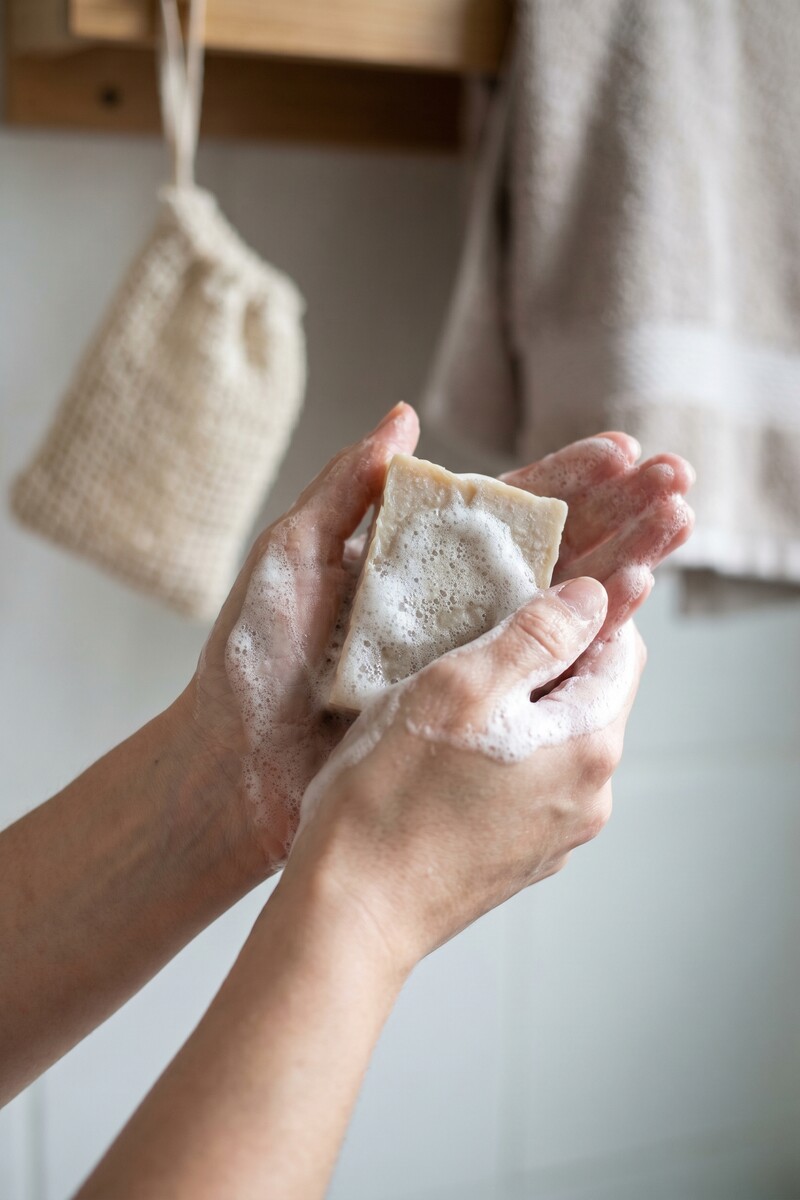
#13 Hair soap (shampoo bar)
I did not expect to like soap for hair. I was wrong. A simple, well-formulated hair soap with a low superfat percentage (around 1.5-2%) has been my long-term solution.
What to look for:
- Superfat around 1.5% for oily hair, up to 2% for normal to dry hair
- No palm oil if you care about sustainability
How to use it:
Lather in your hands or in a soap bag, apply the foam to your scalp, and rinse. Always follow with an acidic rinse.
My experience: Combined with a fermented rice water rinse, this has been my routine for over a year. My hair is happy, my shower is simple, and I am not buying plastic bottles.
Important: Many “shampoo bars” sold in stores are actually solidified liquid shampoo – they still contain sulfates and synthetic detergents. Read the ingredient list. True hair soap has a short, simple list: oils, lye, maybe an essential oil.
#14 Pre-made natural shampoos without sulfates
If you want to skip the DIY entirely, there are commercial options. But you have to read labels carefully.
Look for shampoos without:
- Sodium laureth sulfate (SLES)
- Silicones (anything ending in -cone or -xane)
- Synthetic fragrances
Many “natural” shampoos still lather heavily because they swap SLS for gentler surfactants. That is fine – just know what you are buying.
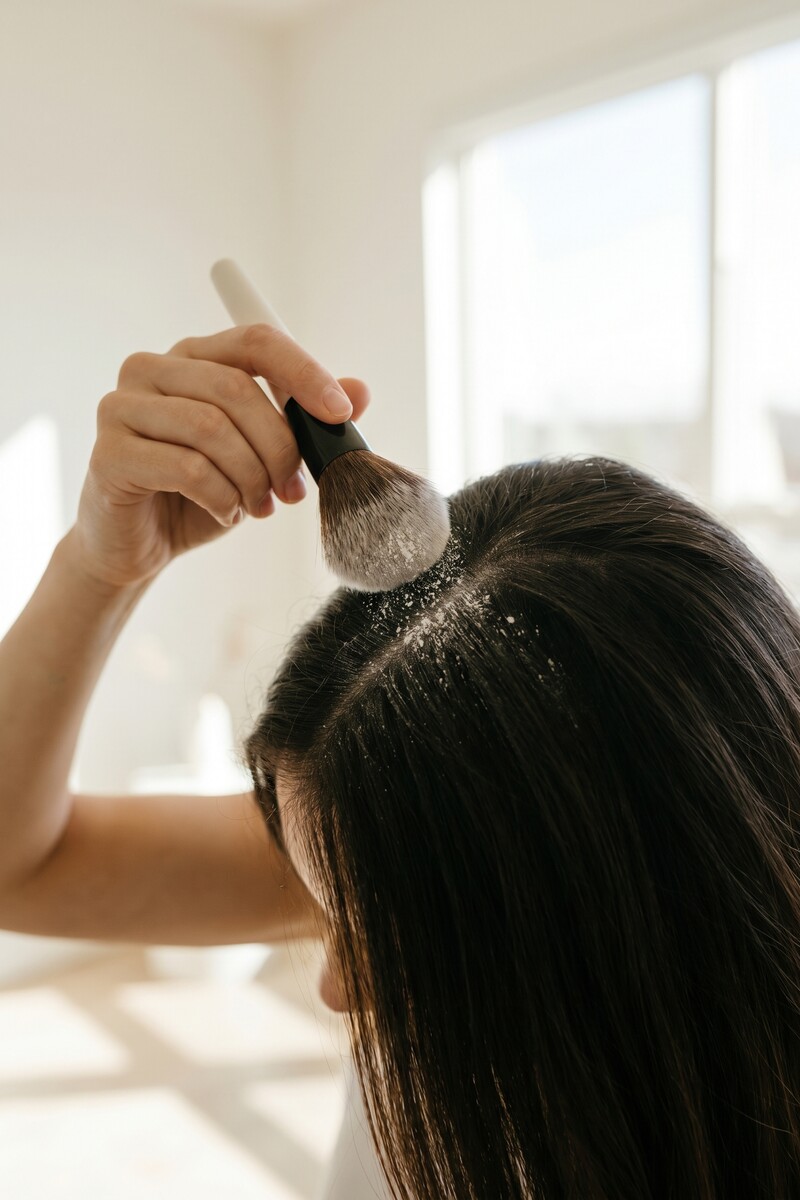
#15 Dry shampoo
When you are stretching the time between washes, DIY dry shampoo is your best friend. It absorbs oil at the roots, buys you an extra day or two, and takes two minutes to make.
My current routine (after all that experimenting)
- Shampoo: Hair soap bar
- Rinse: Fermented rice water, every wash
- Between washes: DIY dry shampoo as needed
It took years to get here, but my hair has never been healthier.
Which method are you most curious to try? Or if you have already experimented with no-poo, what was your experience? I would love to hear in the comments.
Leave a Reply